
More about the Music
Wild Salmon Ventures’ has several projects, some in progress and some completed. The following is a list of examples.
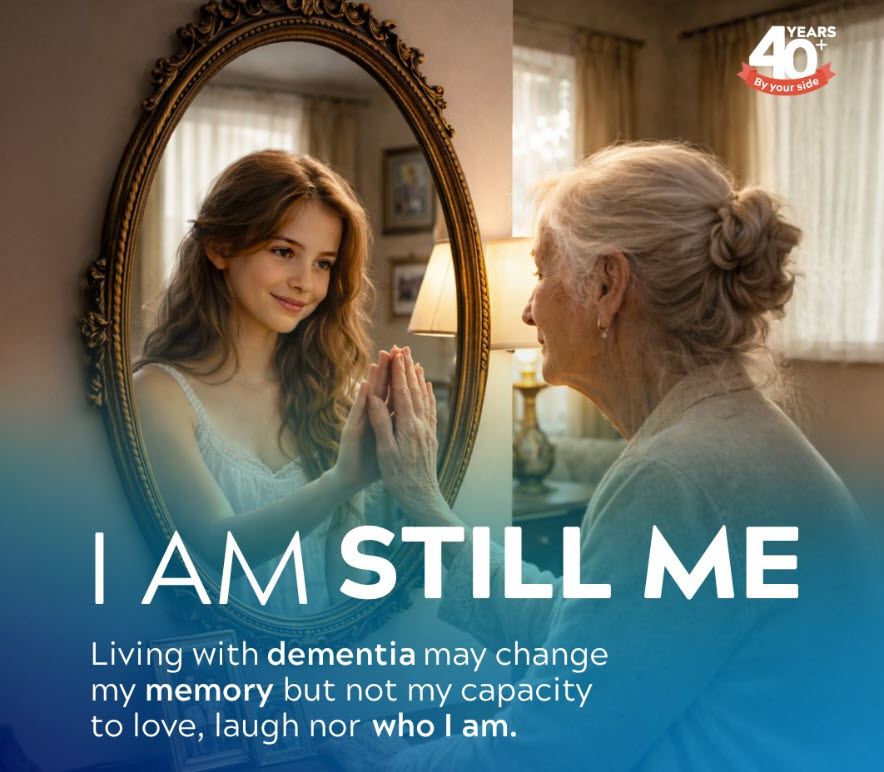
I Am Still Me – DaividT / Lennon Williams, Alzheimer’s WA
Music has an unmatched ability to capture the complex landscape of the human heart, and this song was written to reflect the profound statement, “I Am Still Me.” Written as a poignant tribute to Alzheimer’s WA’s iconic advocacy campaign, this track serves as an emotional beacon, echoing a message that thousands of families across Western Australia know all too well: a person is defined by their soul, not their diagnosis.
The song directly mirrors the core philosophy of the Alzheimer’s WA initiative. Launched to explore themes of identity, connection, and person-centered care, the “I AM STILL ME” campaign challenges the public to look past the fog of cognitive decline. The lyrics strip away the clinical isolation of dementia, replacing it with an intimate musical portrait of enduring dignity.
I Had Long Awaited the Scent of Spring – DaividT

This song started life as a poem, which was written to celebrate the season and love of a lady to whom many years have been shared. The transition of a poem into a musical composition is one of the most profound cross-media journeys an artwork can take, a phenomenon beautifully illustrated by the piece “I Had Long Awaited the Scent of Spring.” Rooted in themes of patience, emotional winters, and sudden rebirth, the work captures the universal human experience of waiting for renewal.
In both poetry and songwriting, spring serves as a powerful artistic anchor. It represents more than a simple change in weather; it symbolises a spiritual rebirth and the rewards of enduring hardship. By marrying the precision of verse with the fluidity of a melody, a song like this allows listeners to not just understand the relief of a new season, but to truly feel the atmosphere shift around them.
Musicbox – The Smoke, the Grit, and the Groove: Inside the Nocturnal World of Music Box – DaividT
There is a corner of the musical landscape where the lights are permanently dimmed, the air smells of rain and stale bourbon, and the line between salvation and sin blurs entirely. This is the realm of Music Box, a sweeping, visceral concept album that strips away the polished veneer of modern production to deliver a raw masterclass in dirty jazz and lowdown blues.
From its opening note, Music Box establishes itself not as a polite listening experience, but as an environment. It is an immersive, nocturnal journey through the underbelly of dirty jazz, capturing the exact moment where the sophistication of jazz collides head-on with the primal, unwashed honesty of the delta blues.
Unlocking the Box: The Sound of Grit
The title Music Box feels intentionally ironic. A traditional music box is delicate, wound-up, mechanical, and predictable. This piece is none of those things. It is unpredictable, heavy, and drenched in sweat.
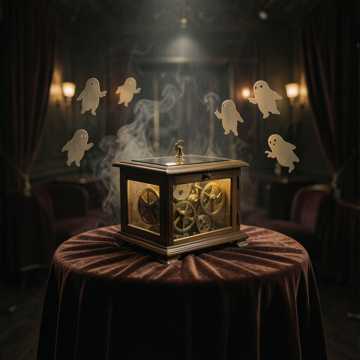
The sonic palette of the song is defined by its imperfections. Instead of pristine, digital tracking, the production favors the warmth of analog saturation and the organic bleed of a live room. You can hear the physical mechanics of the instruments: the heavy thud of a double bass strings slapping against the fretboard, the raspy hiss of a snare drum’s brushes, and the structural rattle of a vintage upright piano that sounds like it has survived a few bar fights.
Treacle Pudding (Dirty Jazz) – DaividT

“Treacle Pudding (Dirty Jazz)” is a standout dirty jazz track reflecting a rich, slow-burning groove and smoky atmosphere. Combining the sweet, slow viscosity of a classic British dessert with the gritty, improvisational edge of underground “dirty jazz,” the track delivers a unique sonic experience that is both indulgent and raw.
Listeners describe the song as the perfect piece for a late-night lounge or a rain-slicked city street. By rejecting the clean, polished production of modern commercial jazz, “Treacle Pudding” embraces the imperfections of live performance—complete with audible breaths from the horn section and the natural warmth of analog distortion. It stands as a testament to the enduring appeal of blues-drenched, low-fidelity jazz composition.
A Night in Buenos Aires – DaividT
The product of a university assignment in music composition, “A Night in Buenos Aires,” is a captivating composition that bridges the syncopated freedom of jazz with the dark, sultry passion of Argentine tango.
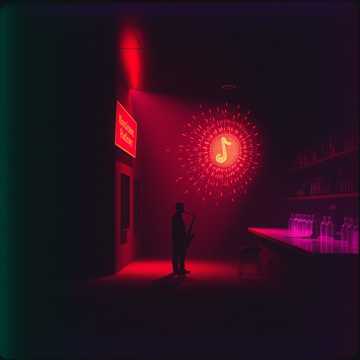
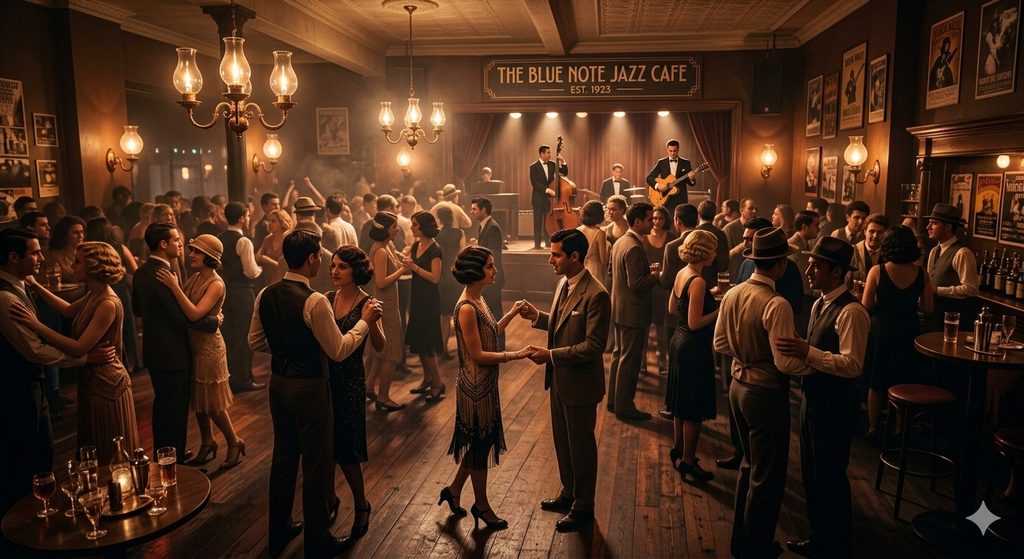
From its opening bars, the piece builds on an intriguing rhythmic foundation; it masterfully replaces the standard jazz swing with a subtle síncopa—the heartbeat of tango. Drawn into the irresistible magnetism of a face across the dance floor, this song captures the essence of mystery and wanting to explore the possibilities, creating an instant sense of nocturnal mystery.
What makes “A Night in Buenos Aires” a standout is its rich lyrics and instrumentation. While a traditional jazz quartet provides the structural framework, the introduction of a melancholic accordion (or, in more traditional recordings, a bandoneón) elevates the melody. The horn section doesn’t just play notes; they weep and soar, mimicking the dramatic vocal stylings of classic tango singers. When the song transitions into the improvisation section, the saxophone breaks free from Argentine structures, delivering brilliant, cascading jazz solos that feel like a breath of fresh air against the humid, tense atmosphere of the rhythm track.
Ultimately, “A Night in Buenos Aires” is more than just a musical experiment; it is a vivid narrative. It captures the essence of its titular city—a place where nostalgia, elegance, and late-night energy coexist. For jazz aficionados and newcomers alike, the track offers a evocative journey into the night, proving that when jazz travels, it always finds a unique way to speak the local language.
A Night in Buenos Aires Lyrics
I saw you in a crowded bar and the darkness of your eyes
I couldn’t look away as I romanticise
Your gaze pulled me in like a block hole draws a star
Unable to break away the moment was bizzare
I walked a crowded path weaving through the smoky room.
I moved slowly to where you stood not knowing of my doom
I waited without words for what seemed eternity.
My eyes fixed on yours not knowing my destiny
Then you boldly reached out and took my hand
As I heard the mystic melody coming from the band
I was lost in universe, in a world of timelessness
Then I came back into consciousness I realised I was possessed
Stage Musical – A Masterclass in Gaslamp Intrigue: The Sweeping Splendour of Theatre’s Newest Edwardian Adventure
A new production captivating the elegance of the Edwardian era through a thrilling new stage musical redefining how we experience the period. Stepping away from the rigid drawing-room dramas of the early 20th century, this production plunges the audience into a breathless world of high-stakes romantic adventure, seamlessly blending spine-tingling suspense with razor-sharp humour.
At the beating heart of the musical is a captivating romance between three fiercely independent leads whose sharp-witted characters provide a brilliant counterpoint to the escalating danger. Their chemistry crackles across the footlights, offering moments of genuine, tender vulnerability amidst the chaos. The story is wonderfully woven throughout, supported by a broad range of songs and a colorful cast of eccentric aristocratic sidekicks, a lovable rogue who classically breaks the rules, ignores social norms, or operates outside the law, yet remains immensely charming, sympathetic, and highly likeable to the audience.
Set against the backdrop of 1908 London—a city caught in the dazzling transition from gaslight to electricity—the story follows a businessman who stumbles upon a cryptic artifact hidden within the grounds of his estate. What begins as a historical curiosity quickly unravels into a cat and mouse hunt. The production moves at a breakneck pace, driven by a lush, orchestral score that echoes both the classical romance and the modern energy of the changing century.
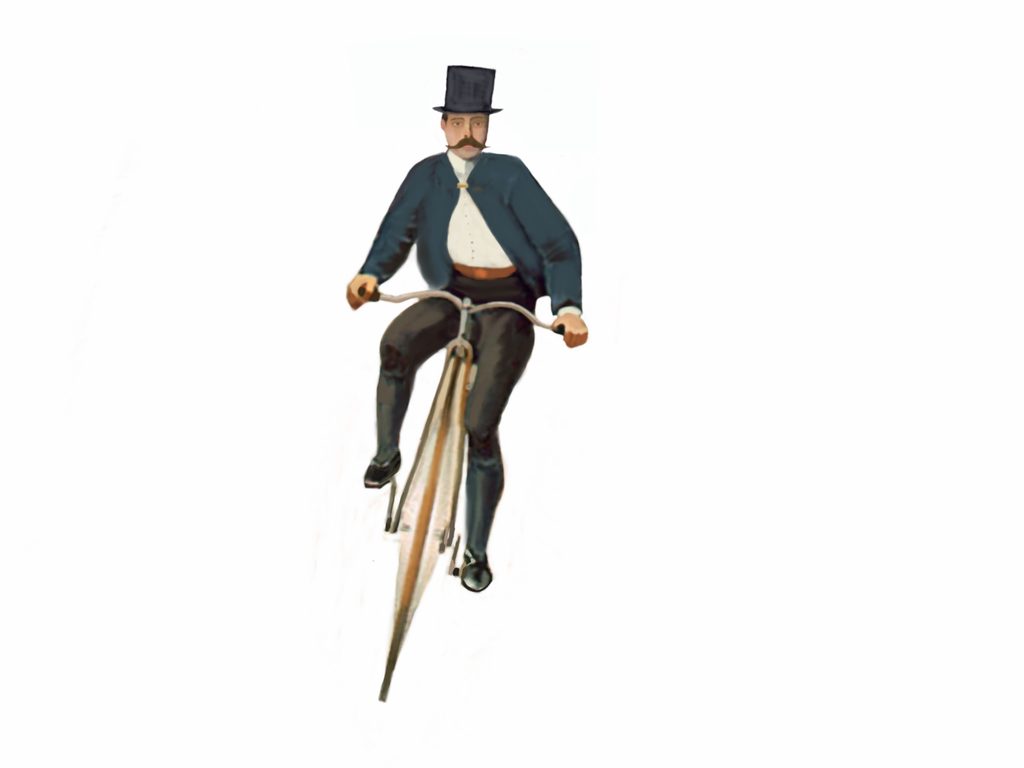
Yet, it is the element of suspense that truly keeps theatregoers on the edge of their seats. The mystery unfolds like a finely tuned clockwork mechanism. Shadows lengthen across magnificent, rotating set pieces, and hidden doors reveal secrets that completely upend the narrative. Every act-one cliffhanger delivers a genuine jolt, masterfully building tension before releasing it with a clever punchline or a sweeping, show-stopping ensemble number.
Ultimately, this production is a rare triumph of modern theatrical storytelling. It honours the grand, opulent aesthetic of the Edwardian age while injecting it with the adrenaline of a classic adventure novel. Equal parts thrilling whodunit, laugh-out-loud comedy, and deeply moving love story, it is a magnificent reminder of the magic that can happen when the curtains rise on a world of pure imagination.
Unfortunately, we cannot say much more at this stage until contracts have been finalised.
I Look into your Eyes / It’s not about You – DaividT

This was another product of a university assignment where students wrote lyrics in their own right and a week later were asked to respond to each other’s work.
The name of the other student is lost to be able to credit them, but their words start with “Should I tell you the truth? together with the four lines that follow.
The rest is mine.
At its core, “I Look into your Eyes/ It’s Not About You” is a raw exploration of vulnerability, romantic paralysis, and the internal battle of loving someone from a distance, perceived or otherwise. The track opens with deeply cinematic, intimate imagery—eyes that hold an entire world, hair catching the wind, and the quiet, agonising wonder of a frozen moment in time. It captures the exact instant where appreciation shifts into a longing so intense it threatens to alter reality.
As the lyrics progress, the focus pivots from adoration to the profound friction of hesitation. The narrator stands at a emotional crossroads: “Should I tell you the truth? / Or do I let go of what we’re going through?” The song brilliantly articulates the exhausting rhythm of “running in circles” when one heart is ready, but the other simply cannot cross the line.
The emotional centerpiece of the song is the striking canyon metaphor:
“You don’t know what it’s like / To be on this side / It’s like crossing a canyon / And I can’t decide”
This imagery perfectly illustrates the vast, terrifying gulf between safety and vulnerability. Crossing a canyon requires a leap of faith, but when a heart has “been burnt before,” the fear of falling can freeze a person in place.
Ultimately, the repetition of the title, “It’s not about you,” acts as a protective shield and a confession all at once. It strips away any blame from the muse and places the struggle entirely within the narrator’s own fractured history. It is a hauntingly beautiful anthem for anyone who has ever been trapped on the wrong side of a canyon, waiting for the courage to jump.